History and Heritage
Origins of the Site
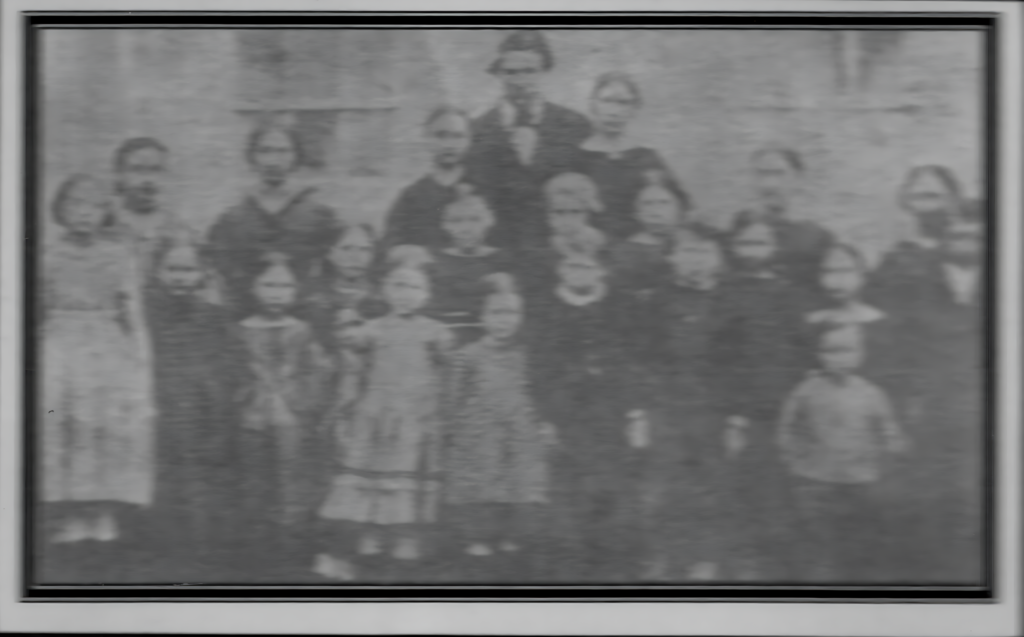
The parking lot of the Pittsboro Professional Building occupies the approximate site of the first school built within the Pittsboro town limits. Constructed in 1860, the original one‑room school served local students until 1873, when classes moved to a larger building on South Maple Street.
A similar one‑room schoolhouse from the same era—now designated Pittsboro School No. 3—continues to educate students across Indiana as a field‑trip destination. Built in 1883 and used until 1919, the small brick structure was later restored and relocated to its current site at 310 Osborne Avenue around the year 2000. It originally stood north of Pittsboro near the intersection of East County Road 850 North and North County Road 500 East.
The Scamahorn Medical Era
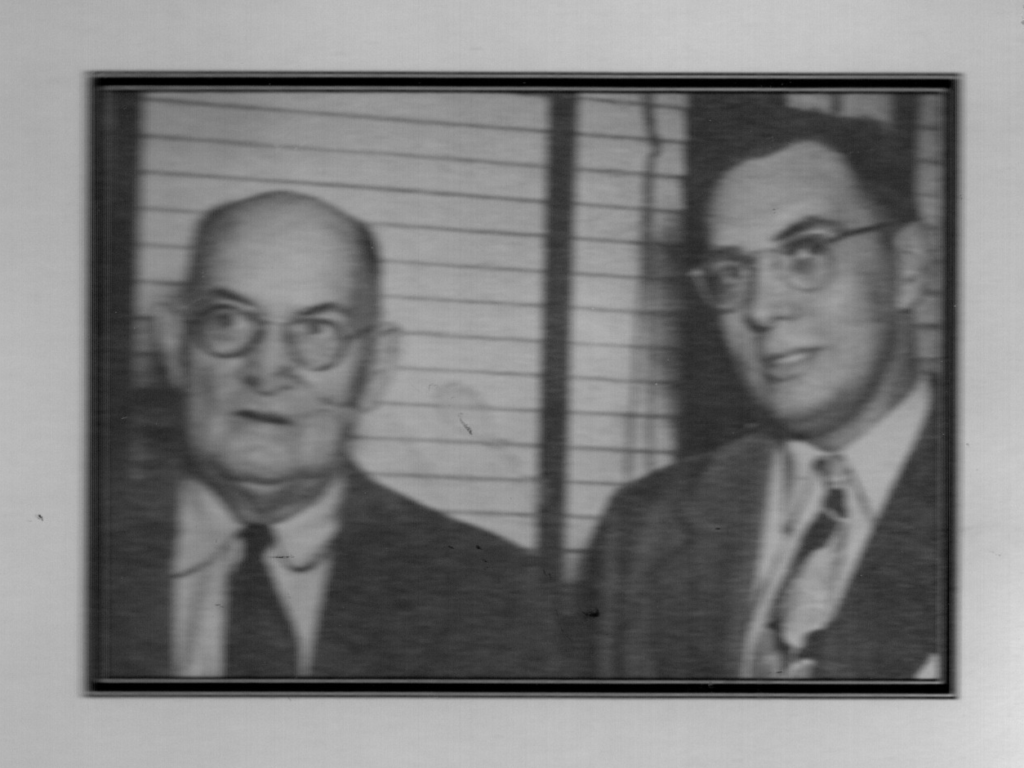
Dr. Oscar “O.T.” Scamahorn served the Pittsboro community for many years, becoming such a trusted figure that it was customary for local families to give their sons the middle name “Oscar” in recognition of the physician who delivered them. His son, Dr. Malcolm Scamahorn, joined him in practice, and the two worked together for a time, continuing the family’s deep connection to the town. OT lived in the home immediately east of the present-day Pittsboro Professional Building. That home still stands today, and its main floor retains the built‑in medical library shelves that once held his books — a quiet architectural reminder of the Scamahorn legacy.
Dr. Malcolm originally practiced in the house west adjacent to the current town public parking lot and directly east of his father’s home. He lived in the house before moving to his long term home on 136 in front of the current town park that bears the family name. The original clinic building was demolished and removed in the early 2010s.
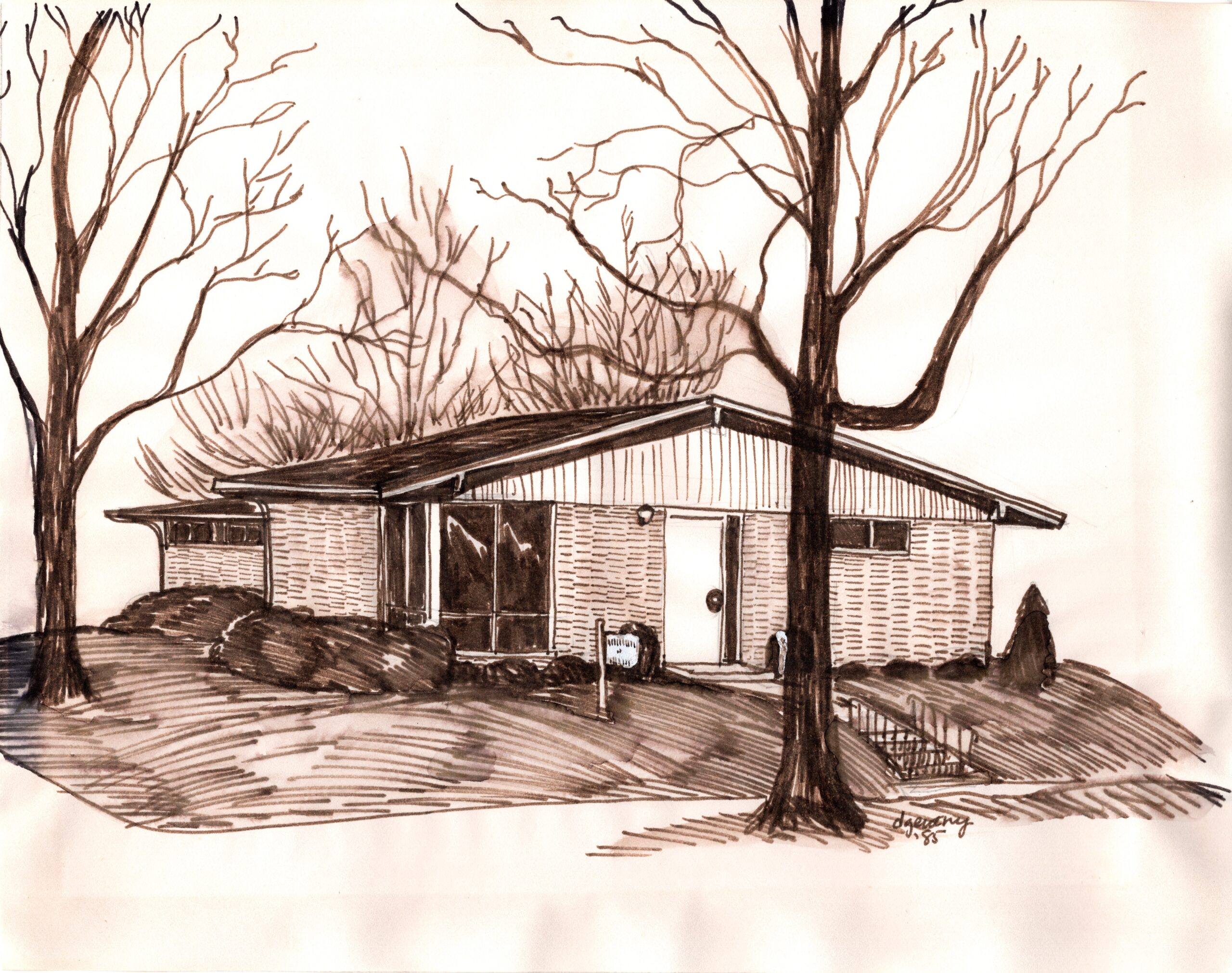
In 1958, a house that occupied the corner lot of 136/Meridian was moved farther down Meridian Street. With the lot cleared, Dr. Malcolm Scamahorn constructed the current medical building on the site. His career was distinguished, culminating in his service as president of the Indiana Medical Association before his retirement in 1987.
The Dr. Aiello Era
After Dr. Malcolm Scamahorn’s retirement in 1987, Dr. Aiello assumed the role of Pittsboro’s resident physician and continued the long tradition of community‑based medical care in the building. He modernized several aspects of the practice, including removing the original pill room to expand the front desk area — a practical response to the growing mountain of insurance paperwork that defined late‑20th‑century medicine.
Aesthetic updates were slower to arrive. In one memorable weekend, his office staff took matters into their own hands and painted the dark hallway paneling white after he declined to approve a remodel. The act became local legend, and the brighter hallway survived as a testament to both staff initiative and the changing times.
Dr. Aiello eventually left private practice to join Hendricks Regional Health, marking the end of an era and setting the stage for the building’s next chapter.
Modern Stewardship
After Dr. Aiello transitioned to hospital‑based practice, the building entered a new chapter. It remained empty a few year until Dr. Starns started remodeling the property in 2005. The widow of the late Dr. Malcom Scamahorn, Wilma Jean, frequented the building at this time claiming with a grin that she was, “a nosy old woman that wanted to see what was happening with her husband’s building.” In reality, Mrs. Scamahorn was a delightful woman who cared deeply about the property and her husband’s legacy. Keeping with its long history of serving Pittsboro residents, the building was remolded into a chiropractic and rehabilitation center — a modern use that still honors the building’s medical roots.
The goal was simple: preserve the character, update only what needed to be updated, and return the space to active service in the community. The building that once housed a pill room, a hallway rebellion, and generations of family physicians now supports physical therapy, occupational therapy, chiropractic care, and advanced rehabilitation services under one roof.
While the Scamahorns and Dr. Aiello shaped the building’s past, the present era focuses on restoring its usefulness, respecting its history, and keeping it a place where Pittsboro residents receive care — just as they have for more than half a century. For those who remember the building in its early days, the reaction is always the same when they walk through the door: “I love the original slate floors, and it still smells exactly the same.”